

Program of the Day
TEDx is a celebration of ideas and more than just a conference; it's an immersive
experience. By choosing the UNIL Amphimax and Amphipole as our venue, we ensure top-
notch acoustics, captivating atmosphere, and seamless tech integration, creating an
unforgettable learning and sharing experience of ideas worth spreading.
This is TEDx at its best – amplified by venues that live up to our speakers' brilliance and our
audience's passion.
“This is where Switzerland gets real about climate. Not just talk: strategy, actions, and community.”
(Damien Gauthier, TEDxLausanne)
Workshops
Four parallel workshops from 2 p.m. to 5 p.m. Requires a “Evening Event+ Workshops” ticket.
Attention: "Action écologique et Jeux Vidéo" will be given in French.
Rethinking Mega-Events: Toward a Regenerative Olympics
bloomUp – Workshop in English
Rethinking Mega-Events: Toward a Regenerative Olympics
bloomUp – Atelier en anglais
Rethinking Mega-Events: Toward a Regenerative Olympics
Rethinking Mega-Events: Toward a Regenerative Olympics
bloomUp – Workshop in English
As the world looks toward the 2030 Winter Olympics in France, the event faces a critical question: can mega-events become regenerative forces for people and planet, rather than environmental burdens? Against a backdrop of climate uncertainty, public skepticism, and ecological fragility, this interactive workshop invites participants to explore how sustainability can be applied in practical and actionable ways through the lens of a global sporting event.
Through collaborative group work and co-creation, participants will identify the key challenges and opportunities of hosting a responsible Olympics. Using bloomUp’s Biodiversity Compass as a guide, they will explore how to balance ecological, social, and economic priorities. Working across themes such as energy, transport, materials, food, and nature, each group will design a 2030 Sustainability Roadmap focused on practical actions, measurable impact, and shared responsibility.
Moving beyond awareness to empowerment, the workshop encourages participants to think systemically yet act locally: discovering how small, meaningful steps can collectively drive transformation toward more regenerative, resilient, and inspiring events and communities
bloomUp – Atelier en anglais
Atelier en anglais uniquement.
As the world looks toward the 2030 Winter Olympics in France, the event faces a critical question: can mega-events become regenerative forces for people and planet, rather than environmental burdens? Against a backdrop of climate uncertainty, public skepticism, and ecological fragility, this interactive workshop invites participants to explore how sustainability can be applied in practical and actionable ways through the lens of a global sporting event.
Through collaborative group work and co-creation, participants will identify the key challenges and opportunities of hosting a responsible Olympics. Using bloomUp’s Biodiversity Compass as a guide, they will explore how to balance ecological, social, and economic priorities. Working across themes such as energy, transport, materials, food, and nature, each group will design a 2030 Sustainability Roadmap focused on practical actions, measurable impact, and shared responsibility.
Moving beyond awareness to empowerment, the workshop encourages participants to think systemically yet act locally: discovering how small, meaningful steps can collectively drive transformation toward more regenerative, resilient, and inspiring events and communities
Creative Writing / Ecriture Créative
Plume – Bilingual English & French
Creative Writing / Ecriture Créative
Plume – Bilingue Fançais & Anglais
Creative Writing / Ecriture Créative
Creative Writing / Ecriture Créative
Plume – Bilingual English & French
We invite you to share a friendly moment of writing together, on the theme of sustainability. All types of writing (poetry, short stories, slam, theater, etc..) are welcomed. There is no need for prior writing skills; what matters is to write and if you are confortable to share your writing. The workshop takes place in two stages: firstly, the presentation of more specific writing themes. It is followed by 45 minutes of free writing. Afterwards, we will gather in a circle, for those who wish to share their texts to do so, and if feedback is desired, we will provide it. The workshop is accessible to people writing in French and English.
Plume – Bilingue Fançais & Anglais
Nous vous invitons à partager un moment convivial d’écriture ensemble, sur le thème de la durabilité. Tous types d’écriture (poésie, nouvelle, slam, théâtre etc…) sont les bienvenus. Il n’y a pas besoin de compétences d’écriture préalable, ce qui compte c’est d’écrire, et si vous êtes à l’aise, de partager votre écrit. L’atelier se déroulera en deux étapes; la première est la présentation des thèmes d’écriture plus spécifiques, puis 45 minutes d’écriture libre. Ensuite, nous nous mettrons en cercle pour que celleux désireux.euses de partager leurs textes puissent le faire, et si un feed-back est désiré nous en ferons un. L’atelier est accessible aux personnes écrivant en français et en anglais. Au plaisir de vous voir bientôt.

The Optimal Mix – Rethinking the Future of Mobility
UNIL, HEC Lausanne – Bilingual English & French
The Optimal Mix – Rethinking the Future of Mobility
The Optimal Mix – Imaginer la mobilité de demain
UNIL, HEC Lausanne – Bilingue Français & Anglais
The Optimal Mix – Rethinking the Future of Mobility
The Optimal Mix – Rethinking the Future of Mobility
The Optimal Mix – Imaginer la mobilité de demain
UNIL, HEC Lausanne – Bilingual English & French
How can we design a mobility system that is sustainable, efficient, and fair?
In this interactive workshop, participants will take on this challenge through The Optimal Mobility Mix, a serious game exploring the complex trade-offs that shape our transport choices and urban futures.
Working in teams, players will design their own “mobility mix” — a combination of transport modes (public transit, cycling, walking, driving, etc.) that must balance several often conflicting goals: economic efficiency, emissions reduction, social inclusion, public health, and quality of urban life.
The game invites discussion, negotiation, and creativity as participants strive to find their version of an “optimal” solution. Engaging, collaborative, and thought-provoking, The Optimal Mobility Mix opens space for reflection and dialogue around the challenges of climate action and sustainable urban transition.
At the end of the session, each group will share its proposed mix and the reasoning behind it — highlighting how our mobility choices mirror our collective values and visions of the future.
UNIL, HEC Lausanne – Bilingue Français & Anglais
Comment construire un système de mobilité à la fois durable, efficace et équitable ?
Dans cet atelier participatif, les participant·e·s seront invité·e·s à relever ce défi à travers The Optimal Mobility Mix, un serious game qui met en scène les grands choix de société liés à la mobilité urbaine.
En équipes, les joueurs devront concevoir leur “mix de mobilité” idéal : une combinaison de modes de transport (transports publics, vélo, voiture, marche, etc.) répondant à plusieurs objectifs parfois contradictoires — efficacité économique, réduction des émissions, inclusion sociale, qualité de vie et santé publique.
Le jeu pousse chacun·e à réfléchir aux compromis nécessaires entre ces priorités et à débattre collectivement des solutions possibles. Ludique, collaboratif et concret, The Optimal Mobility Mix ouvre un espace de dialogue sur les défis de la transition climatique et urbaine.
À la fin de la session, chaque groupe présentera son mix optimal et les choix qui l’ont guidé — révélant à quel point nos décisions de mobilité traduisent nos valeurs et nos visions du futur.
Action écologique et Jeux Vidéo
Eprouvette - UNIL – Workshop in French
Action écologique et Jeux Vidéo
Eprouvette - UNIL – Atelier en français
Action écologique et Jeux Vidéo
Action écologique et Jeux Vidéo
Eprouvette - UNIL – Workshop in French
Workshop only in French
Le jeu vidéo peut-il aider à changer notre rapport à l’environnement et agir pour un futur désirable ?
À l’heure où les questions environnementales sont omniprésentes, comment penser et repenser notre rapport au jeu vidéo, et plus largement au numérique ? Au sein même du jeu, comment la nature est-elle représentée, et en quoi la place qui lui est accordée nous renseigne-t-elle sur notre rapport problématique au vivant ?Durant cet atelier, vous explorerez les modèles environnementaux dominants de l’histoire du jeu vidéo. En effet, de nombreux jeux sont fondés sur la compétition et le cumul de ressources, selon un modèle dit « extractiviste ». Une fois ce modèle identifié, il s’agit de discuter d’une sélection de jeux qui le critiquent et qui proposent des alternatives.Il est ainsi proposé d’explorer une lecture politique donnée aux questions écologiques dans les jeux vidéo. Pour ce faire, divers univers vidéoludiques mettant en scène notre rapport au vivant et à ce qui nous entoure seront abordés, tout en réfléchissant aux registres d’actions usuellement déployées au travers des avatars. Parmi les jeux discutés durant l’atelier (liste indicative)Final Fantasy 7 (1997), Endling (2022), Death Stranding (2020), Pokemon Go (2016), Lichenia (2019), Far, Lone Sails (2019)Un atelier proposé par L’éprouvette / Laboratoire Sciences et Société / Unil et le Gamelab-Lausanne
Eprouvette - UNIL – Atelier en français
Le jeu vidéo peut-il aider à changer notre rapport à l’environnement et agir pour un futur désirable ?
À l’heure où les questions environnementales sont omniprésentes, comment penser et repenser notre rapport au jeu vidéo, et plus largement au numérique ? Au sein même du jeu, comment la nature est-elle représentée, et en quoi la place qui lui est accordée nous renseigne-t-elle sur notre rapport problématique au vivant ?Durant cet atelier, vous explorerez les modèles environnementaux dominants de l’histoire du jeu vidéo. En effet, de nombreux jeux sont fondés sur la compétition et le cumul de ressources, selon un modèle dit « extractiviste ». Une fois ce modèle identifié, il s’agit de discuter d’une sélection de jeux qui le critiquent et qui proposent des alternatives.Il est ainsi proposé d’explorer une lecture politique donnée aux questions écologiques dans les jeux vidéo. Pour ce faire, divers univers vidéoludiques mettant en scène notre rapport au vivant et à ce qui nous entoure seront abordés, tout en réfléchissant aux registres d’actions usuellement déployées au travers des avatars. Parmi les jeux discutés durant l’atelier (liste indicative)Final Fantasy 7 (1997), Endling (2022), Death Stranding (2020), Pokemon Go (2016), Lichenia (2019), Far, Lone Sails (2019)Un atelier proposé par L’éprouvette / Laboratoire Sciences et Société / Unil et le Gamelab-Lausanne
Talk Sessions
Amphimax, 17:30 –19:30
.jpg)
Jonathan Normand
Ecosystem Pollinator, CEO Foundation B Lab (Switzerland)
Jonathan Normand
Ecosystem Pollinator, CEO Foundation B Lab (Switzerland)
Jonathan Normand worked 12 years in banking risk management before co-founding Codethic (2009), a good governance consulting firm. Co-founder of B Lab Europe in 2013, he has led the B Lab Switzerland foundation since 2017, developing the B Corp movement, promoting new legal frameworks and programs like Swiss Triple Impact, which now federates over 800 organisations in Switzerland. In 2024, he co-initiated the Swiss Impact & Prosperity Initiative (SIPI) to rethink national prosperity beyond GDP. An active university lecturer, he works to disseminate new economic models that are inclusive and regenerative, contributing to building a more sustainable and equitable economy.
B Lab is transforming the global economy to benefit all people, communities, and the planet. A leader in economic systems change, our global network creates standards, policies, and tools for business, who are leading the way. To date, our community includes +450 companies joining the SDG Swiss triple impact program; nearly 420 Swiss active certified BCorp and +8500 B Corps in over 80 countries and 150 industries; and more 300’000 companies managing their impact with the B Impact Assessment and the SDG Action Manager.

Tatiana Fedotova
Changemaker & Aquapreneur
Tatiana Fedotova
Changemaker & Aquapreneur
Tatiana Fedotova is the co-founder of LeafTurtle, a boutique sustainability consultancy with a mission to give water a voice to build resilient societies. With 20 years of experience across the United Nations, business, government and NGOs, from executive board rooms to river basins, she focuses on safeguarding natural resources, driving climate resilience and upholding human rights.

Jordan Bellatreche
Head of Business at SoHHytec
Jordan Bellatreche
Head of Business at SoHHytec
Jordan Bellatreche is the Head of Business at SoHHytec SA, a Swiss cleantech company based in Lausanne pioneering solar-driven systems that produce green fuel directly from sunlight and water. With nearly a decade of experience in renewable energy and sustainability, he has led major clean-energy and efficiency projects across Europe. Passionate about innovation and impact, Jordan is dedicated to scaling SoHHytec’s solar-fuel technology to make clean hydrogen truly competitive, locally produced, and accessible worldwide.
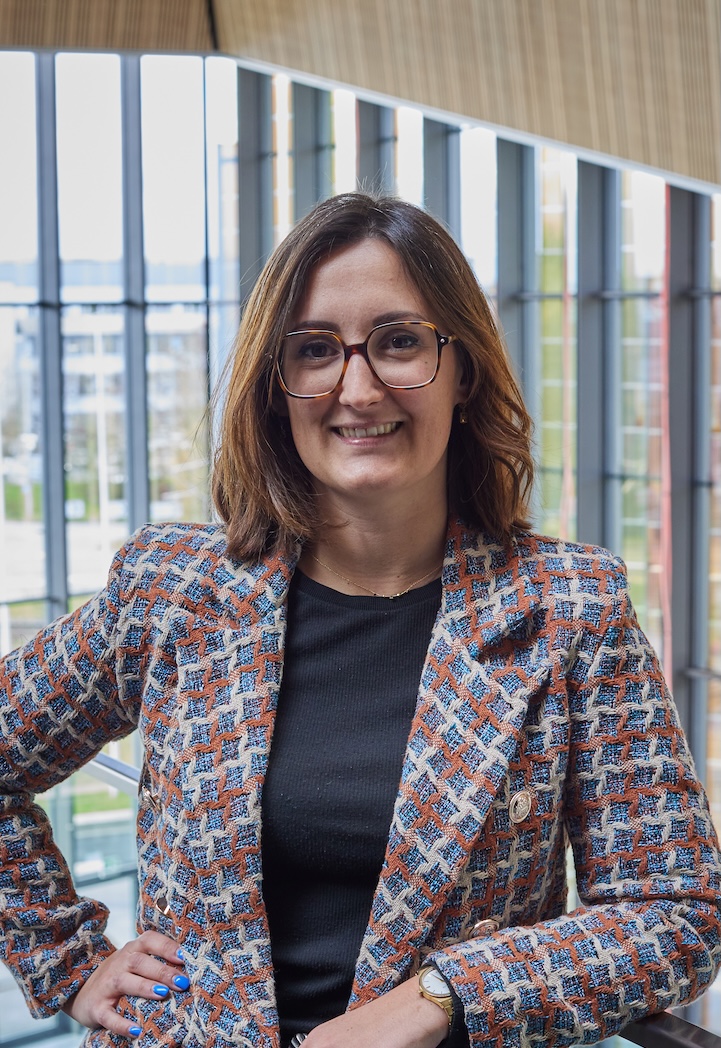
Margaux Peltier
CEO & Co-Founder of Enerdrape
Margaux Peltier
CEO & Co-Founder of Enerdrape
Margaux Peltier is a Swiss engineer and science entrepreneur, graduate of EPFL Lausanne with a MSc in Civil Engineering. She is the co-founder and CEO of Enerdrape, a cleantech company transforming underground infrastructures into renewable heat sources through geothermal panels. Her work has been recognized among others by Forbes 30 Under 30 Europe, the Veuve Clicquot Bold Woman Award, and the Forum des 100. Passionate about sustainable innovation and the energy transition, she strives to bridge science, technology, and entrepreneurship to drive meaningful change in the built environment.
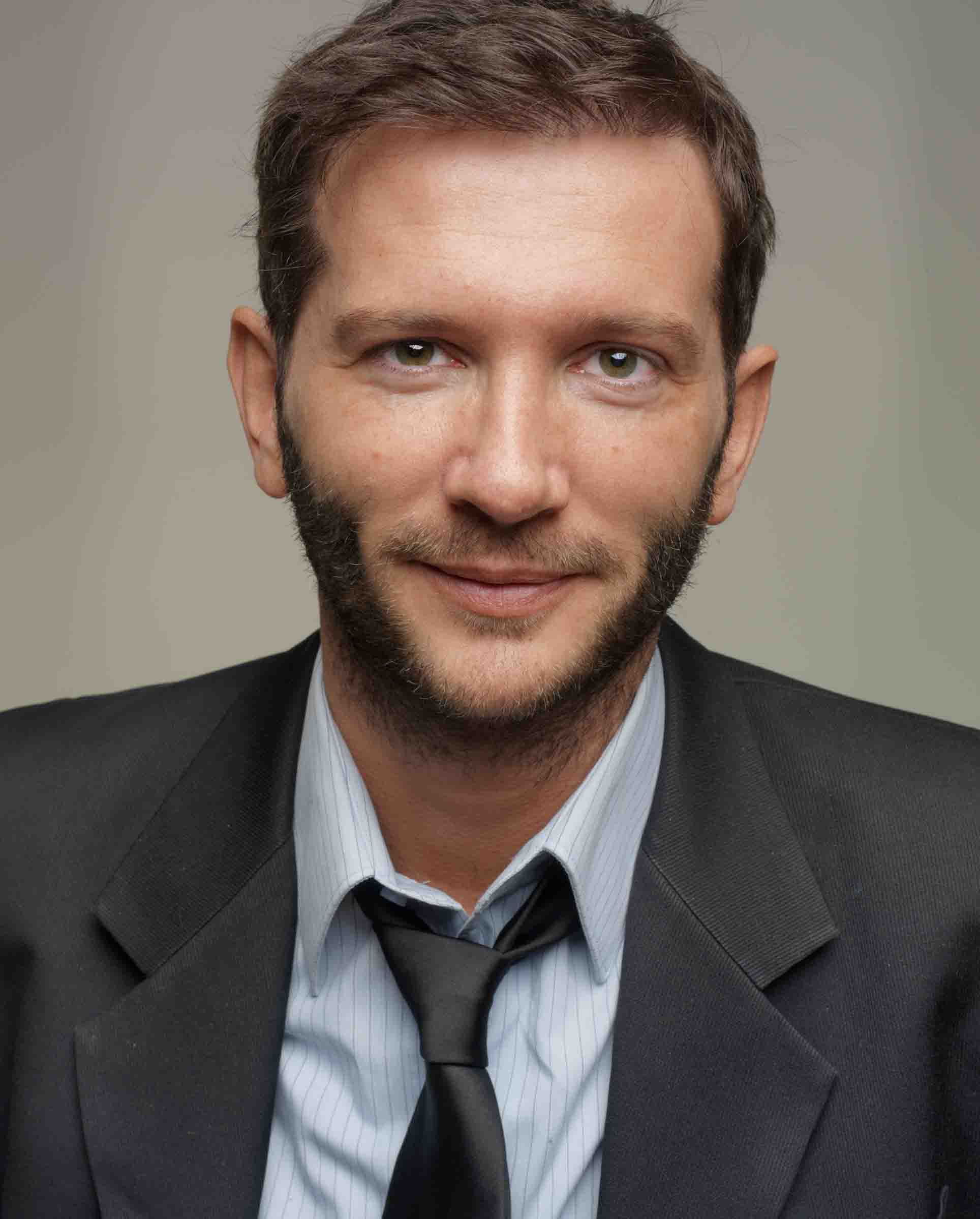
Arthur Keller
Expert in societal vulnerabilities to systemic risks and in implementing resilience strategies
Arthur Keller
Expert in societal vulnerabilities to systemic risks and in implementing resilience strategies
An engineer and systems engineer by training, Arthur Keller is a renowned specialist in resilience strategies for societal risks and collective transformation levers. Arthur Keller lectures at prestigious universities and advises public agencies on territorial security.
He trains elected officials and civil servants in global territorial security and acts as a speaker and consultant for local authorities, institutions, companies, and NGOs. The architect of numerous proposals for societal transition, he has been heard by the National Assembly as part of a parliamentary mission on France's resilience. Also a specialist in low-tech innovation and an essayist,
Arthur Keller works on the roles of technology and narratives in the dynamics of societal change, and shares his advanced knowledge of the levers of mobilization and transformation. Author of a classification of imaginaries of the future, he provides professional authors with the keys to designing impactful projects.

Viviana Nebuloni
Soprano, entrepreneur and cultural innovator
Viviana Nebuloni
Soprano, entrepreneur and cultural innovator
Viviana Nebuloni is an Italian soprano, entrepreneur and cultural innovator whose work bridges the worlds of classical music, law, social media and creative strategy. Trained in both opera and jurisprudence, she explores how art and law aspects can coexist using voice and thought as complementary tools to question systems, challenge conventions, and inspire change. As founder and CEO of Orchestra SRL, she designs for theaters and companies new cultural formats that merge beauty, ethics, and innovation, redefining how classical performance speaks to today’s society. Her projects reflect a belief that true artistry lies in harmony between rigor and imagination, reason and emotion: a dialogue that defines her multidimensional journey.
%20copy.jpg)
Timothée Parrique
Researcher in ecological economics at UNIL - University of Lausanne
Timothée Parrique
Researcher in ecological economics at UNIL - University of Lausanne
Timothée Parrique is a researcher in economics at the Faculty of Business and Economics of the University of Lausanne. He holds a PhD in economics from the University of Clermont Auvergne and Stockholm University (The political economy of degrowth, 2019) and is the author of the book Slow down or die. The economics of degrowth (2025). His current research project explores the idea of post-growth planning applied to Switzerland.
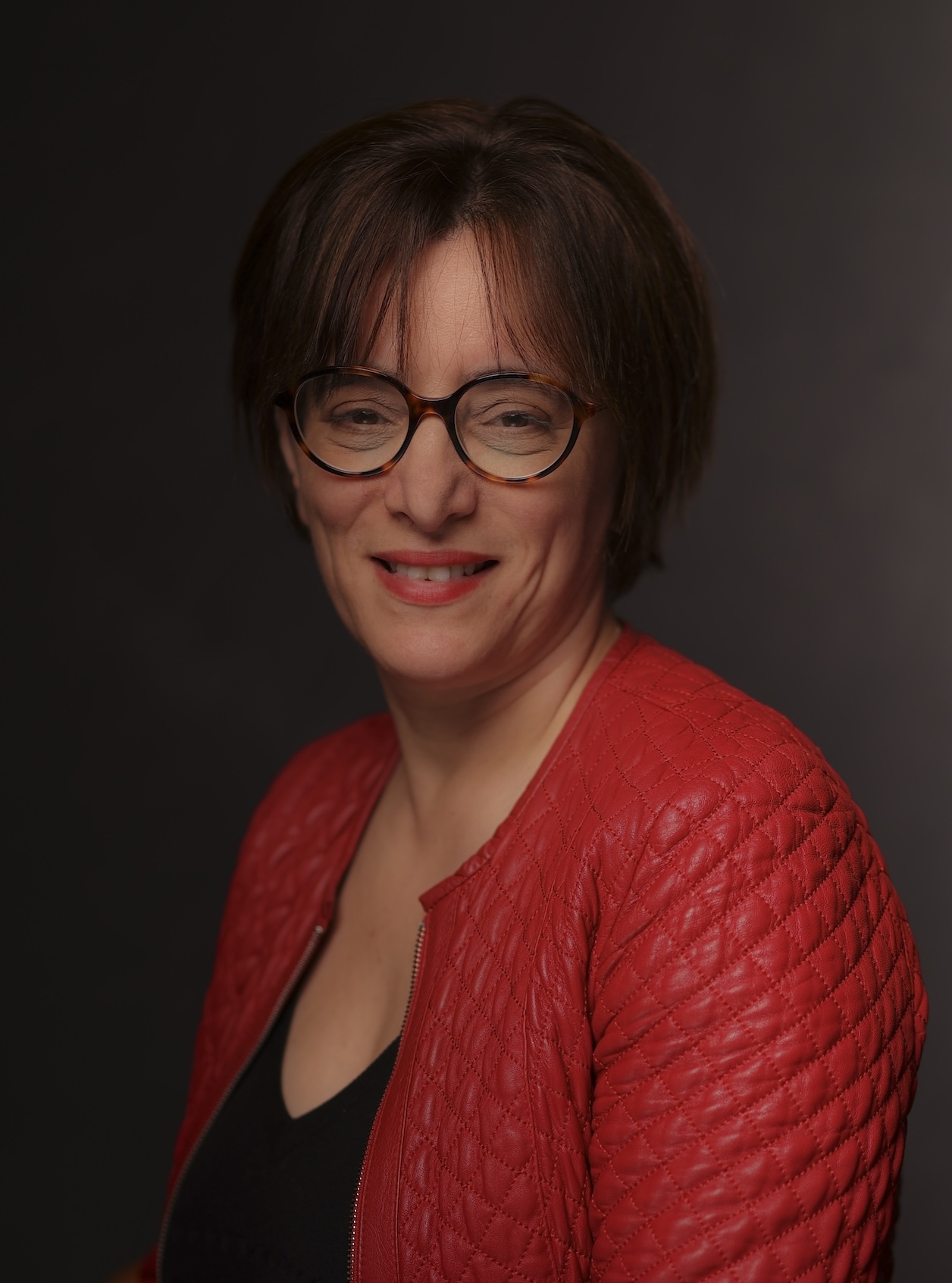
Yamina Saheb
CEO World Sufficiency Lab, lead author of the IPCC AR6
Yamina Saheb
CEO World Sufficiency Lab, lead author of the IPCC AR6
Yamina Saheb is a co-founder of the World Sufficiency Lab, a lecturer and researcher at Sciences Po Paris, a lead author of the IPCC AR6 report on climate change mitigation, and a Senior Fellow at OpenExp. She holds a Ph.D. in Energy Engineering, Master’s degrees in i) Landscape Architecture and ii) Development Economics, and an Engineering degree in Building Technologies.
EVENING ACTIVITIES
Amphipôle, from 7:30 pm to 9:30 pm
Networking & Interactive Zone
In Auditorium 344 at Amphipôle
19h40 – 19h55
Q&A with Two Speakers (EN) – A live, intimate exchange with two TEDx speakers in English.
20h00 – 20h20
Quizzeria – Sustainability Quiz – A playful challenge testing climate knowledge and systemic thinking.
20h25 – 20h40
Q&A with Two Speakers (FR) – Interactive conversation with two francophone speakers.
20h45 – 21h05
L’Étranger Restaurant (Chamonix): Zero Food Waste Demo – A hands-on presentation of cuisine designed around full-resource use and culinary circularity.
19h30 – 21h00
Atelier Eau’Rigine – Water quiz – A playful and collaborative workshop on the theme of water.
Partners’ Space & Networking Cocktail
Throughout the evening in Amphipôle's lobby
- Explore partner stands
- Enjoy sustainable food & beverages
- Take part in interactive activities and discussions
In partnership with UNIL


This independent TEDx event is operated under license from TED
Follow us


